The Gut-Brain Connection: Could Your Microbiome Influence How You Think and Feel?
November 20, 2026 · Rula Halabi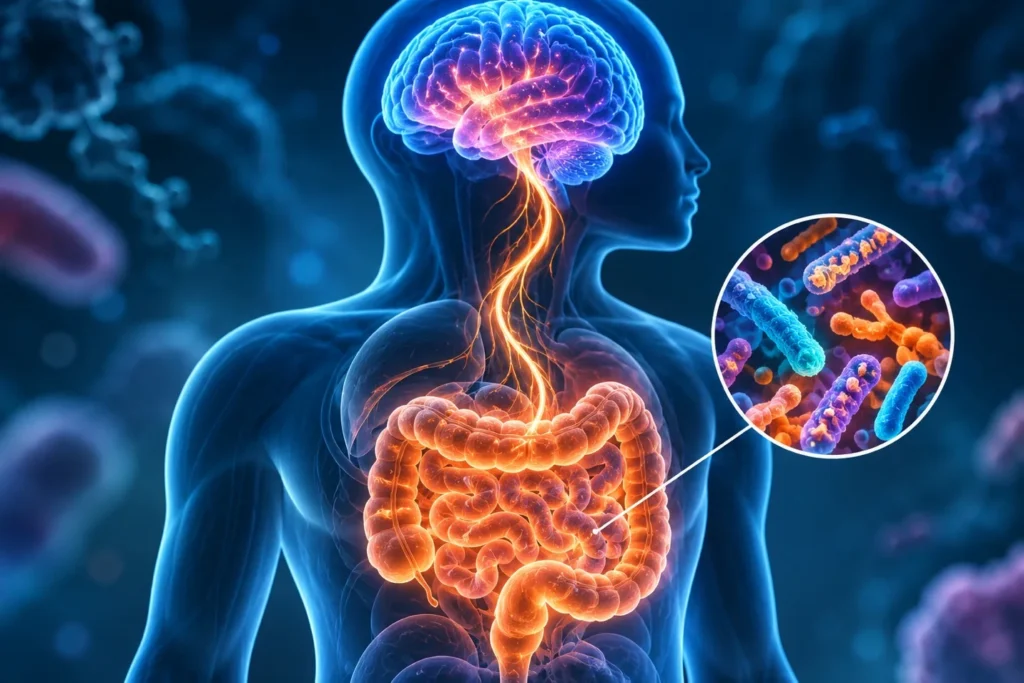
What if a healthier mind begins in your gut?
For decades, the digestive system was viewed primarily as the body’s food-processing center. Today, scientists are discovering a far more complex relationship: the gut and brain are constantly communicating, and the microorganisms living in our intestines may play an important role in that conversation.
Known as the gut-brain axis, this two-way communication system is becoming one of the most fascinating areas of modern medical research.
Your Gut Has a Direct Line to Your Brain
The human digestive tract contains trillions of microorganisms, collectively known as the gut microbiota. These microbes help digest food, support immunity, and produce compounds that interact with the body’s biological systems.
But their influence may extend beyond digestion.
The gut and brain communicate through the vagus nerve, immune signals, hormones, and chemical compounds produced by intestinal bacteria.
Researchers believe these interactions may influence inflammation, stress responses, and certain aspects of brain function.
Could Gut Bacteria Influence Depression and Anxiety?
Scientific studies have identified differences in the gut microbiomes of some people experiencing depression and anxiety compared with those without these conditions.
Researchers are investigating whether intestinal bacteria influence mental health through immune activity, stress hormones, and microbial metabolites.
However, the relationship is complex, and scientists have not established that changes in gut bacteria directly cause depression or anxiety.
The Rise of Psychobiotics
An emerging field of research focuses on psychobiotics—probiotics being studied for their potential effects on mental well-being.
Some clinical trials suggest that certain bacterial strains may help reduce symptoms of stress, anxiety, or depression.
However, findings remain inconsistent, and researchers emphasize that probiotics are not established substitutes for conventional mental health treatments.
Scientists are also exploring whether microbiome-targeted therapies could eventually support memory and cognitive health.
Can Food Influence Your Mental Well-Being?
Diet is one of the most practical ways to support a healthy gut microbiome.
Foods rich in fiber, including vegetables, fruits, legumes, and whole grains, help nourish beneficial intestinal bacteria.
Fermented foods such as yogurt with live cultures and kefir may also support microbial diversity.
The Mediterranean diet has attracted particular scientific interest for its potential benefits to both digestive and mental health.
However, no single food or supplement has been proven to prevent or cure mental health conditions by changing the microbiome.
A New Frontier in Mental Health
The growing understanding of the gut-brain connection could eventually reshape approaches to mental health, neurological disorders, and personalized nutrition.
Researchers are still working to identify which microorganisms matter most and whether modifying the microbiome can produce lasting improvements in psychological well-being.
One thing is becoming increasingly clear: the brain does not operate in isolation.
The trillions of microorganisms living inside us may be part of a much larger biological conversation—one that science is only beginning to understand.
https://highlightreview.com/the-gut-brain-connection-could-your-microbiome-influence-how-you-think-and-feel/