





The Hidden Dangers of Overconsuming Protein: How Much Do We Really Need?

Protein is an essential nutrient that plays a vital role in building and repairing tissues, producing enzymes and hormones, and supporting overall bodily functions. It’s no surprise that protein-packed foods and supplements have become a staple in many diets, especially with the growing popularity of fitness and health trends. From protein shakes to protein-infused snacks, it seems like protein is everywhere. But, as with most things, moderation is key.
While protein is essential for our health, consuming too much of it can have unintended consequences. In this article, we’ll explore why overconsuming protein can be harmful, and how you can ensure you’re getting the right amount for optimal health.
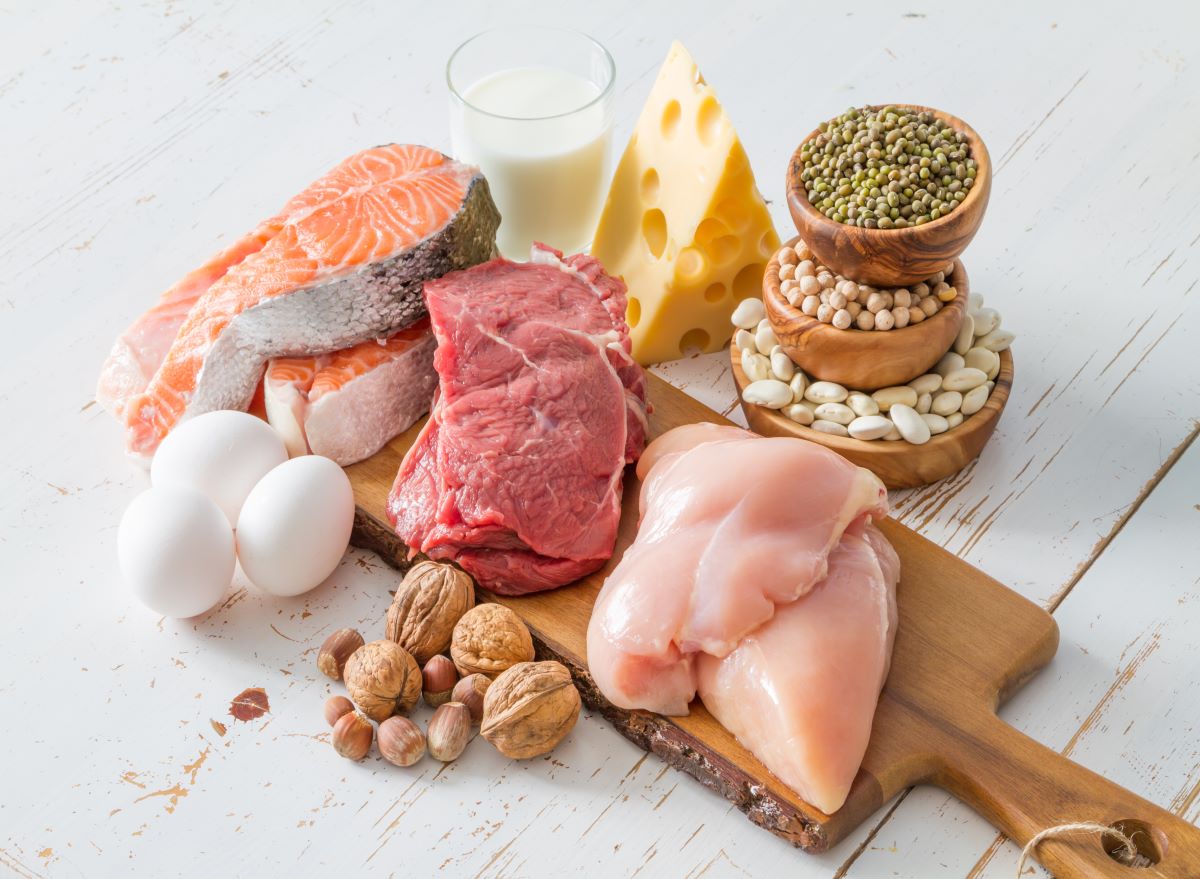
1. Protein Can Crowd Out Other Nutrient-Dense Foods
High-protein diets, especially those focused on animal-based proteins, may displace other nutrient-dense foods from your plate. Many high-protein diets tend to push out fruits, vegetables, and whole grains—foods that are essential for providing fiber, antioxidants, and essential vitamins and minerals. This can lead to nutrient deficiencies over time, which can impact your immune system and digestive health.
According to Dawn Jackson Blatner, a registered dietitian nutritionist (RDN), a balanced diet should include protein at every meal, but it’s equally important to make room for colorful produce and plant-based foods to ensure you’re getting a wide variety of nutrients.
2. Excess Protein Could Lead to Gut Health Imbalances
Another drawback of consuming excessive amounts of protein, particularly from animal sources such as meat, eggs, and dairy, is its potential to disrupt gut health. While animal proteins are excellent sources of the nutrient, they lack fiber—an essential nutrient for maintaining a healthy digestive system.
Fiber is crucial for supporting a thriving gut microbiome, helping to prevent constipation, and fostering a balance of beneficial gut bacteria. Research has shown that a diverse range of plant-based foods, such as beans, lentils, and whole grains, is key to promoting gut health. Failing to include enough plant-based sources of protein could lead to an imbalance in the gut, which can impact digestion and overall well-being.
3. Increased Strain on the Kidneys
The kidneys play a crucial role in filtering blood and removing waste products from the body. However, consuming excessive amounts of protein—especially over long periods—can put extra strain on the kidneys, forcing them to work overtime. This can potentially lead to kidney damage over time.
High protein intake, particularly from animal sources, has also been associated with an increased risk of kidney stones. Animal protein increases the amount of acid in urine, which can contribute to the formation of kidney stones. It’s important to be mindful of protein consumption, especially for individuals with pre-existing kidney conditions.
4. Higher Risk for Heart Disease
The type of protein you consume matters just as much as the amount. Diets high in red and processed meats (such as sausage, bacon, and hot dogs) tend to be higher in saturated fats and sodium, both of which can raise your risk of heart disease. Red and processed meats have been linked to increased cholesterol levels, high blood pressure, and atherosclerosis (narrowing of the arteries).
To reduce the risk of heart disease, it’s better to focus on lean sources of protein such as chicken breast, fish, and plant-based proteins like beans, lentils, and tofu. These options are lower in unhealthy fats and provide essential nutrients without the added risk.
5. Increased Risk for Cancer
Overconsumption of red and processed meats has been linked to an increased risk of cancer, particularly colorectal cancer. According to the American Institute for Cancer Research (AICR), eating more than 12 to 18 ounces of red meat per week may increase the risk of developing colorectal cancer. Processed meats, such as bacon and sausages, have been specifically linked to a higher risk of colorectal and other cancers.
To mitigate this risk, it’s advisable to limit the consumption of red and processed meats and opt for other protein-rich foods. If you do choose to eat red meat, do so in moderation, and prioritize lean cuts to reduce the potential health risks.
The Bottom Line: Balance is Key
While protein is undoubtedly an essential macronutrient, more doesn’t always mean better. Consuming too much protein can have negative effects on your health, leading to issues such as nutrient deficiencies, gut imbalances, kidney strain, and an increased risk for heart disease and cancer.
To maintain optimal health, aim to balance your protein intake and make room for a variety of other nutrient-dense foods. Protein should make up about 10-35% of your daily calorie intake, leaving enough space for healthy fats, carbohydrates, fruits, vegetables, and whole grains. Consulting a registered dietitian can help you determine the right amount of protein for your unique health needs, ensuring you’re fueling your body in the most effective and balanced way possible.
In the end, moderation and variety are the keys to a well-rounded, nutritious diet. Keep your meals diverse, and always remember that achieving balance is the best way to support your overall health and well-being.
