


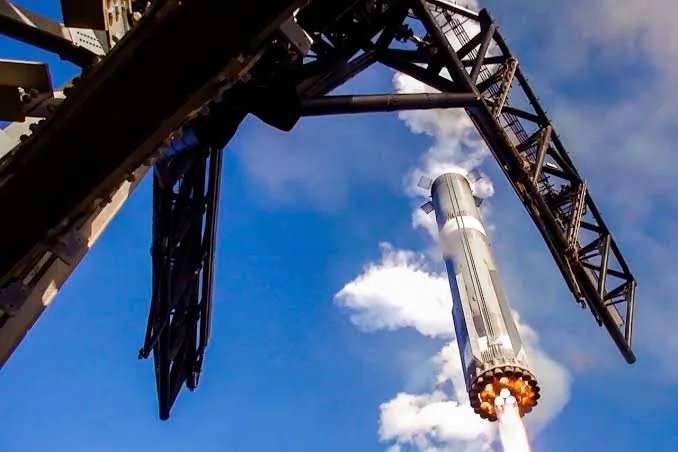
SpaceX is preparing to attempt a new milestone: catching both the Super Heavy booster and the Starship spacecraft on its upcoming test flight.
The plan calls for both vehicles to return to the launch site, where the launch tower’s giant mechanical arms would catch them separately. SpaceX has previously caught Super Heavy boosters, but recovering the Starship upper stage would add a significantly more demanding challenge: returning safely from orbit.
If both catches succeed, it would mark the first recovery of both stages of an orbital launch vehicle—a milestone in the effort to make rockets fully reusable.
Does That Mean Nothing Burns Up or Stays in Space?
Not quite. The achievement would be the recovery of the rocket’s two stages, rather than sacrificing them during the mission.
Fuel would still be consumed, and any satellites deployed would remain in their intended orbits. Recovering both vehicles would also not necessarily mean every small component or piece of protective material returned undamaged.
The key distinction is that both the booster and the spacecraft could come home for inspection and potential reuse.
Why It Matters
Recovering both stages could reduce the amount of expensive hardware that must be built for each launch. If SpaceX can also demonstrate reliable refurbishment and repeated flights, that could help lower launch costs and increase how frequently the system flies.
A successful double catch would therefore be a major milestone—but proving that both vehicles can fly again will be another essential step.
For SpaceX, the ambition extends beyond bringing a rocket home. It is to make returning, preparing and launching again a routine part of spaceflight.
 Retired Jet Engines Find a New Role Powering AI Data CentersNovember 11, 2026
 NVIDIA Board Opens Independent Inquiry Into Reports About CEO Jensen HuangNovember 11, 2026
 OpenAI Launches GPT-6 Cyber to Find Software Flaws, With Access Limited to Vetted UsersNovember 11, 2026