


November 2, 2026
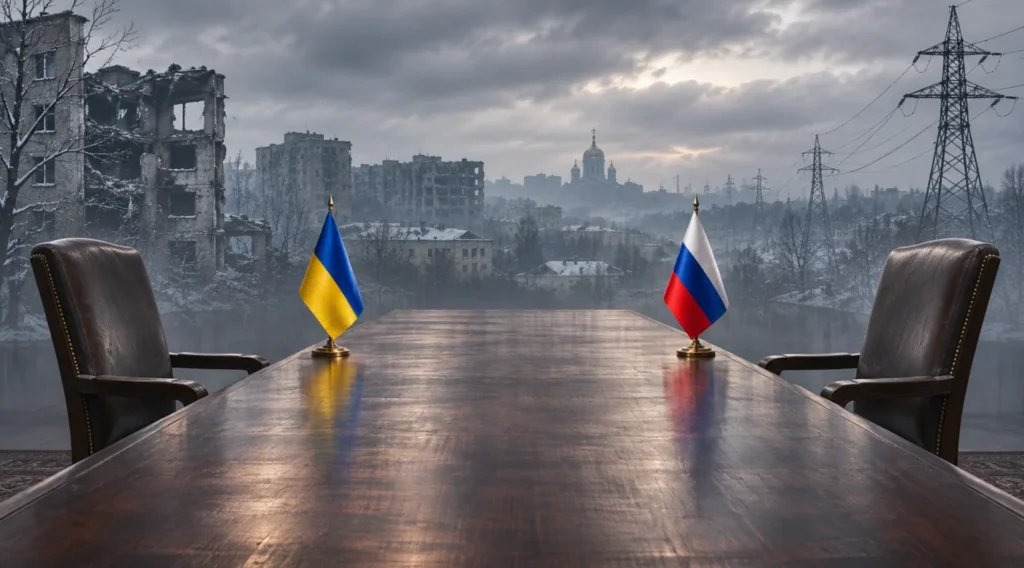
A temporary ceasefire in Russian-occupied Oleshky has ended, bringing renewed accusations between Ukraine and Russia while the timing of further peace negotiations remains uncertain.
The six-day humanitarian pause began on October 27 and expired on November 1. It was intended to allow aid deliveries and civilian evacuations. Nearly 800 people were evacuated, according to a statement by Melania Trump, who helped broker the arrangement. The operation offered a limited example of cooperation during a war in which broader diplomatic progress remains difficult.
Accusations after the ceasefire
Ukraine’s military accused Russian forces of using the pause to rotate troops, reinforce positions and improve ammunition supplies and anti-drone defences.
Kremlin spokesman Dmitry Peskov said he had no specific information about Russian military operations during the ceasefire. He suggested Ukrainian forces had probably also regrouped. His comments did not independently establish what either side had done.
The exchange highlights a recurring obstacle: even an agreement designed around civilian needs can quickly become another source of military suspicion.
Another round of talks is still uncertain
Ukrainian President Volodymyr Zelenskiy had expressed hope that Ukrainian, Russian and American representatives could meet in Abu Dhabi in early November.
However, Kremlin aide Yuri Ushakov subsequently said no specific date had been proposed. He indicated that developments on the battlefield and in the Middle East could affect the timing. A new negotiating session therefore remains a possibility rather than a confirmed breakthrough.
For readers following the diplomacy, that distinction matters. Announcing interest in talks does not establish that the parties have agreed on an agenda, compromises or a settlement.
Winter increases the civilian stakes
Meanwhile, Amnesty International warned on November 2 that increased Russian attacks on Ukraine’s energy and heating infrastructure were creating dangerous conditions for civilians ahead of winter.
Damage to these systems affects more than electricity. It can disrupt heating, water supplies and essential services, increasing pressure on communities already coping with repeated attacks and displacement.
The Oleshky evacuation shows what a narrowly defined agreement can achieve. Turning that opening into wider progress will require arrangements that hold beyond a few days—and give civilians protection they can depend on.
 Gold Rebounds After Sharp Selloff as Investors Weigh Rates and Middle East DiplomacyNovember 5, 2026
 Israeli Strikes Continue in Southern Lebanon as Beirut Pushes for WithdrawalNovember 5, 2026
 U.S.–Iran Negotiations Continue as Qatar Seeks a Path to AgreementNovember 5, 2026