


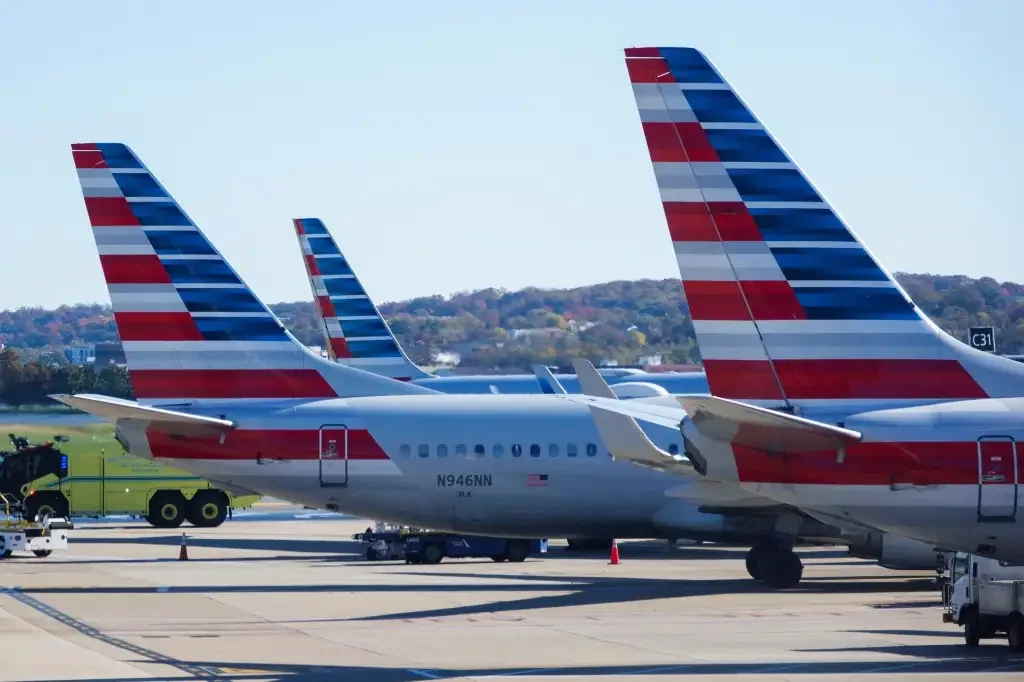
For more than four hours on Friday, November 13, departures across the United States were halted after failures in air traffic control communications prompted the Federal Aviation Administration to impose a nationwide ground stop. Aircraft already airborne continued to land as controllers managed the disruption.
The distinction matters: America’s skies did not suddenly empty, and every aircraft was not ordered down simultaneously. The ground stop prevented departures while aviation personnel worked to bring flights safely to their destinations.
According to Transportation Secretary Sean Duffy, trouble began at approximately 3:36 p.m. Eastern Time, when radar and communications systems began producing inconsistent information. Officials attributed the disruption to aging telecommunications equipment, including switches and routers that became overloaded with data. Duffy said communications and radar were never completely lost.
Authorities reopened the airspace at 8:15 p.m. Eastern Time. But reopening the system could not immediately restore airline schedules. Displaced aircraft, unavailable crews and missed connections meant the consequences would outlast the technical failure.
By Saturday morning, ABC News reported more than 12,500 cancellations across Friday and Saturday, citing FlightAware. Behind those figures were interrupted journeys, missed commitments and passengers facing uncertainty about when they could leave.
From disruption to a $50 billion demand
At a White House briefing Friday evening, Duffy called for $50 billion to overhaul aviation infrastructure. The demand marked a substantial increase from the $30.1 billion request formally submitted a day earlier, according to Roll Call. Officials had not fully explained the expanded figure.
The sequence deserves scrutiny. A nationwide disruption was followed within hours by an urgent funding appeal. That timing creates legitimate questions about how the requested amount was calculated, what it would purchase and how success would be measured.
Those questions can coexist with recognition that modernization may be necessary. An emergency strengthens the case for action; it also strengthens the case for transparent spending, independent oversight and clear delivery deadlines.
What still needs explaining
The initial explanation is not a complete technical account. At Friday’s briefing, Duffy acknowledged that officials were still examining what had been different about the system that day. Homeland Security Secretary Markwayne Mullin said the incident did not appear to be a cyberattack.
The public deserves to know what triggered the overload, why safeguards failed to contain its effects and which changes would prevent a repeat.
The immediate priority was getting passengers moving safely. The lasting responsibility is ensuring that the next failure does not bring an entire country’s departures to a standstill.
 U.S.–Iran Negotiations Continue as Qatar Seeks a Path to AgreementNovember 17, 2026
 Gold Rebounds After Sharp Selloff as Investors Weigh Rates and Middle East DiplomacyNovember 17, 2026
 The 110-metre bridge is set to open on November 10, giving eventgoers a direct walking route from Burj Khalifa/Dubai Mall Metro Station to City Walk.November 17, 2026